The Science Behind an Anti-Microbial Desk Stool Surface
When we talk about an anti-microbial desk stool surface, we aren’t just talking about a seat that has been sprayed with a disinfectant. We are referring to advanced material science. These surfaces work through a variety of mechanisms to create an inhospitable environment for pathogens.
The most common technology used today involves silver-ion infusion. At a microscopic level, silver ions are integrated into the molecular structure of the stool’s surface—whether it is plastic, vinyl, or a powder coating. These ions carry a positive charge that attracts and then deactivates negatively charged bacteria.

Research into these materials, such as the technology found in Tolle™ Antibacterial products, shows that they offer broad-spectrum protection. This means they don’t just target one type of germ; they are effective against a wide range of dangerous microorganisms. Statistics indicate that high-quality antimicrobial protection can reduce up to 99.9% of common bacteria, including:
- E. coli: Often found in shared office kitchens and bathrooms.
- S. aureus (Staph): A common cause of skin infections that can live on surfaces for days.
- Listeria and Salmonella: Critical concerns for stools used in food-contact or laboratory environments.
By integrating these agents during the manufacturing process, the protection becomes a permanent part of the stool. It doesn’t wash off or wear away like a temporary spray might. For those interested in the broader health implications of workspace design, you can find more info about non-toxic ergonomic desk stools on our platform.
Comparing Vinyl and Silver-Ion Anti-Microbial Desk Stool Surface Options
While both vinyl and silver-ion treatments aim for the same goal—hygiene—they achieve it in slightly different ways.
Antimicrobial Vinyl is a staple in medical and high-traffic environments. It is a non-porous material, meaning it doesn’t absorb liquids or sweat. Manufacturers often blend antimicrobial compounds directly into the vinyl during production. This creates a moisture barrier that prevents germs from nesting in the foam beneath the seat.
Silver-Ion Infusion (like SilverGuard technology) is often found in higher-end fabrics or powder-coated metal parts. The beauty of silver-ion technology is its “continuous release” mechanism. Even if the surface of the stool gets a small scratch or shows signs of wear, the silver ions remain active within the material, providing ongoing inhibition of microorganisms. This makes it an excellent choice for 24/7 intensive-use environments where the stool is rarely vacant.
FDA Approval and Safety Certifications for Workspace Surfaces
We often get asked if these chemical additives are safe for humans. The answer lies in the certifications. Many high-quality antimicrobial plastics are FDA-approved for direct food contact. This is a high bar to clear, ensuring that the additives used to kill bacteria won’t harm you if they touch your skin or even if food is placed on the surface.
Beyond the FDA, look for these key standards when shopping for an anti-microbial desk stool surface:
- ANSI/BIFMA: This ensures the stool meets industrial standards for safety and durability.
- CAL TB117-2013: A fire safety standard for upholstered furniture.
- Cleanroom Class 7: A specific certification for stools used in sterile environments like labs or tech manufacturing.
- CARB-2 Compliance: This relates to formaldehyde emissions, ensuring the stool doesn’t off-gas harmful chemicals into your office air.
Top Materials for Hygienic Seating
The material you choose for your stool surface dictates how easy it is to clean and how long it will last. In our research, we’ve found that three main materials dominate the market.

- Healthcare-Grade Vinyl: This is the “gold standard” for clinics. It is designed to withstand harsh medical-grade detergents and even diluted bleach without cracking or losing its color.
- Polycarbonate Polyurethane: Materials like Ultraleather Promessa offer a softer, more “premium” feel than standard vinyl. However, they are incredibly tough—some are rated for 400,000 double rubs (a measure of abrasion resistance), making them nearly indestructible in a standard office setting.
- Antimicrobial Powder Coatings: Used on the metal frames, foot rings, and bases of stools. Products like SilverSan-coated tops and frames use a silver-ion infused paint that prevents bacteria from living on the “touch points” of the stool, such as the height adjustment lever.
For a deeper dive into how these materials contribute to a healthy workspace, check out our scientific research on antimicrobial powder coatings or read more info about non-toxic ergonomic office chairs.
Benefits of Antimicrobial Vinyl and Polyurethane
The primary benefit of these materials is their resistance to the “big three”: stains, moisture, and germs. In a multi-shift environment, a stool might be used by three different people in a 24-hour period. Standard fabric would trap the oils and skin cells of every user.
Antimicrobial vinyl and polyurethane act as a shield. They provide a leather-like feel for comfort but offer the cleanability of plastic. Because they are non-absorbent, you can wipe them down between shifts, ensuring the next person has a fresh, sterile seat.
Eco-Friendly and Low-VOC Antimicrobial Options
Many people worry that “antimicrobial” means “full of harsh chemicals.” Thankfully, the industry has moved toward eco-friendly options. Leading manufacturers now offer stools that are:
- Zero VOC (Volatile Organic Compounds): They don’t emit that “new car smell,” which is actually the sound of chemicals off-gassing.
- Formaldehyde-Free: Ensuring better indoor air quality (IAQ).
- 100% Recyclable: Many powder-coated steel bases and aluminum components can be fully recycled at the end of the stool’s life.
Choosing a low-VOC stool is a great way to protect your respiratory health while the antimicrobial surface protects your skin and immune system. Learn more info about eco-friendly desk chairs for posture to see how sustainability and ergonomics go hand-in-hand.
Key Features for Medical and Office Environments
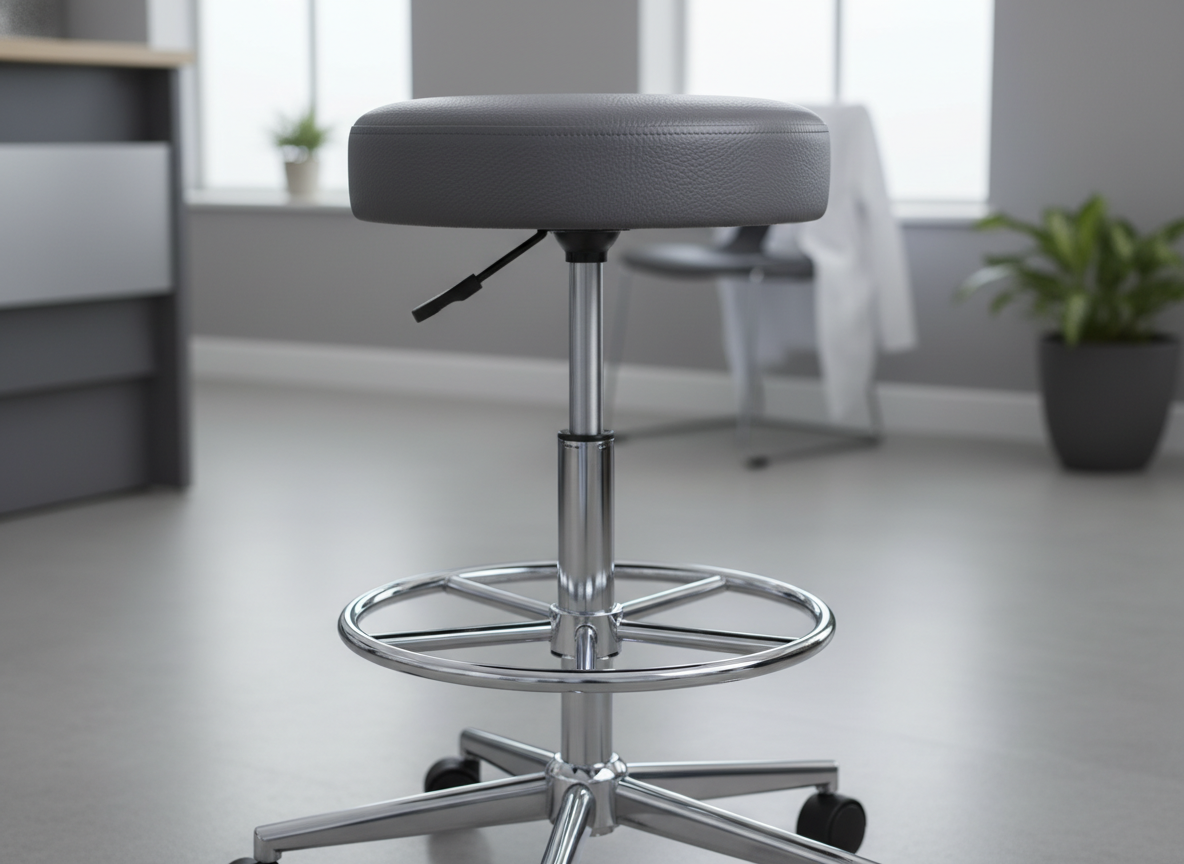
When selecting a stool, the anti-microbial desk stool surface is just one part of the equation. You also need to consider the “bones” of the chair.
Weight Capacity and Durability
Not all stools are created equal when it comes to support. We see a wide range of weight capacities in the market:
- Standard Medical Stools: Usually support around 275 lbs. These are ideal for exam rooms and quick tasks.
- Heavy-Duty/Drafting Stools: Can support up to 400 lbs. These are built for 24/7 “intensive use” and often feature reinforced cylinders.
- Lightweight Stools: Some “Radiant” style stools support up to 200 lbs, making them better suited for lighter office tasks or home use.
| Feature | Medical Stool | Drafting Stool | Cleanroom Stool |
|---|---|---|---|
| Weight Capacity | 275 lbs | 400 lbs | 330 lbs (150kg) |
| Seat Height | 20″ – 26″ | 26″ – 32″ | 23″ – 33″ |
| Adjustment | 1-touch Pneumatic | Gas Lift w/ Foot Ring | All-round Ring Lever |
| Best Surface | Urethane/Vinyl | Antimicrobial Vinyl | Class 7 Vinyl |
Adjustability and Ergonomic Comfort
If you are sitting for long periods, comfort is king. Look for stools with molded foam seats. Unlike cut foam, molded foam retains its shape for years and provides better pressure distribution.
If you work at a standing desk or a high lab bench, a foot ring is essential. It prevents your legs from dangling, which can restrict blood flow. High-end models often feature a 3-stage adjustment system or dual motors for sit-to-stand desks, allowing you to find the perfect height for your frame. For those on a budget, you can still find great options by looking at more info about affordable recycled wood office chairs that incorporate ergonomic principles.
Mobility and Stability Options
How your stool moves is just as important as how it sits.
- Dual-Wheel Casters: Standard for carpeted floors.
- Soft Casters: Essential for hardwood, tile, or concrete to prevent slipping and scratching.
- Fixed Glides: If you need the stool to stay put (common in labs), replace the wheels with glides.
- Brake-Loaded Casters: These lock when you sit down, providing extra safety for high stools.
How to Clean and Maintain Your Anti-Microbial Desk Stool Surface
Even though your stool is fighting germs on its own, it still needs a little help from you. Proper maintenance ensures the antimicrobial properties remain effective for the life of the product.
Cleaning Protocols
Most anti-microbial desk stool surface materials are designed to be “low maintenance.” For daily cleaning, a simple damp cloth with mild soap is usually enough. However, in medical or high-traffic settings, you may need something stronger.
- EPA-Registered Disinfectants: These are tested to kill specific viruses and bacteria.
- Alcohol-Based Cleaners: Generally safe for most antimicrobial vinyls, but always check the manufacturer’s guide.
- Bleach Solutions: Only use on vinyl specifically rated for bleach (often a 10:1 water-to-bleach ratio).
Preserving Antimicrobial Effectiveness
To keep your stool in top shape:
- Avoid Abrasives: Never use steel wool or scouring pads. These can create micro-scratches where bacteria can hide, bypassing the antimicrobial treatment.
- Check Hardware: Every six months, ensure the bolts under the seat and the base are tight. A stable stool lasts longer.
- Wipe Spills Quickly: Even though the surface is stain-resistant, dyes from clothing (like blue jeans) can eventually “migrate” into the vinyl if left too long.
Warranty and Durability Guarantees
A good stool is an investment. Most reputable manufacturers offer a 6-year limited warranty on the frame and mechanical parts. Upholstery and foam usually carry a shorter warranty—often 1 to 2 years—because they face the most direct wear and tear. If you are buying for a hospital or a 24/7 call center, look for “intensive use” ratings which guarantee the stool’s performance under constant pressure.
Frequently Asked Questions about Antimicrobial Stools
Are antimicrobial desk stools safe for direct food contact?
Yes, many are. If the stool uses an FDA-approved antimicrobial additive in its plastic components, it is generally considered safe for environments where food is present. However, we still don’t recommend eating directly off your seat!
How long do the antimicrobial properties last on a stool surface?
In most modern stools, the antimicrobial agent is blended into the material during the molding or weaving process. This means it is not just a surface coating. It will typically last as long as the material itself. If the vinyl isn’t cracked and the plastic isn’t worn through, the protection is likely still active.
Can I use standard office cleaners on antimicrobial vinyl?
Usually, yes. However, avoid cleaners with high wax content or “furniture polish” sprays. These can leave a film on the anti-microbial desk stool surface that actually traps bacteria and prevents the antimicrobial ions from doing their job. Stick to simple soap and water or EPA-approved wipes.
Conclusion
At FinanceInvestX, we believe that your workspace should work for you—not against your health. Investing in a stool with an anti-microbial desk stool surface is a smart move for anyone looking to combine ergonomic efficiency with top-tier infection control.
By choosing materials like antimicrobial vinyl, silver-ion infused coatings, and low-VOC plastics, you aren’t just buying a chair; you’re investing in workplace wellness. Whether you’re a medical professional needing a sterile seat or an office worker looking to level up your hygiene, these stools provide the durability and protection needed in the modern world.
Ready to upgrade your office health? Explore the FinanceInvestX ergonomic furniture category to find the perfect seating solution for your needs.