Why Ergonomic Stools Are the Smartest Upgrade for Your Team’s Productivity
Ergonomic stools boost productivity by encouraging natural posture, promoting gentle movement while seated, and reducing the physical discomfort that pulls focus away from work.
Here’s a quick summary of how they help:
- Better posture – Active stools support spinal alignment and reduce strain on the back and neck
- More energy – Micro-movements improve circulation and keep the brain supplied with oxygen
- Less pain – Reduced musculoskeletal stress means fewer distractions from aches and fatigue
- Higher output – Research links ergonomic workstations to productivity gains of up to 17.7%
- Greater job satisfaction – 87% of employees in ergonomic workspaces report higher motivation
If you’ve ever reached the afternoon slump and realized you’ve been hunched over your desk for hours, you already know the problem. Static sitting drains energy, tightens muscles, and clouds thinking — often without you noticing until the damage is done.
The average worker now sits for more than 10 hours a day. That much sedentary time takes a real toll: back pain, stiffness, poor circulation, and reduced concentration are all common results of poorly designed workstations.
Ergonomic stools offer a practical, science-backed fix. Unlike traditional office chairs, they keep your body slightly active while you work — engaging your core, opening your hips, and encouraging the small movements that keep blood flowing to your brain.
The result? You stay sharper, more comfortable, and more productive throughout the day.

How Ergonomic Stools Boost Productivity and Focus
When we think about office furniture, we often think about comfort in a passive sense—soft cushions and big armrests. However, true workplace efficiency comes from “active” comfort. This is where the concept of the ergonomic stool shines. Unlike a standard chair that allows you to slump into a static position, an ergonomic stool requires a baseline of engagement that keeps your mind as active as your body.
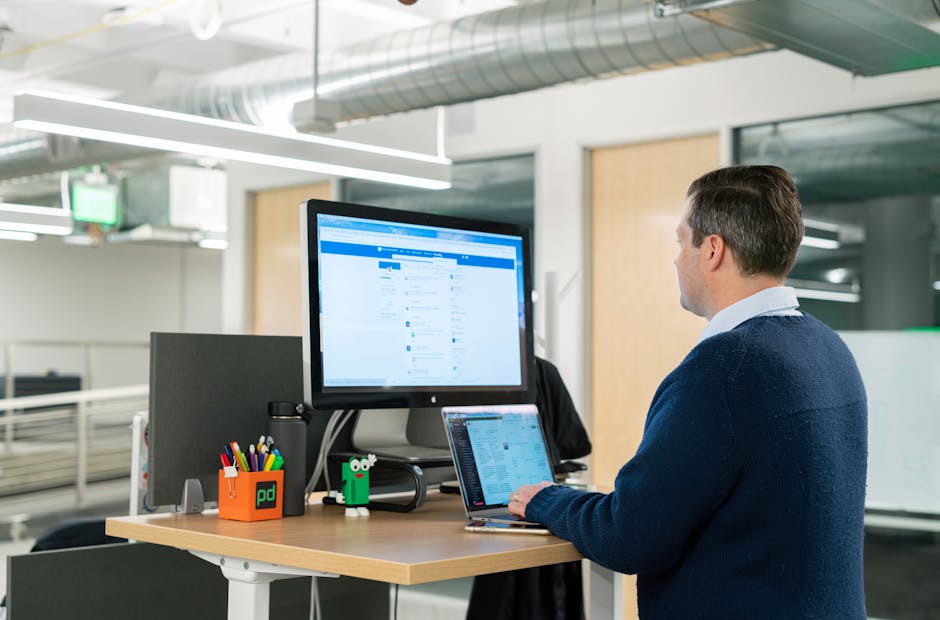
The primary reason ergonomic stools boost productivity is the science of micro-movements. When you sit on a stool that allows for a slight wobble or tilt, your body is constantly making tiny adjustments to stay balanced. These movements aren’t distracting; in fact, they are a form of “fidgeting” that has been shown to improve cognitive performance. By preventing the body from entering a “shutdown” sedentary mode, these stools help maintain higher blood flow to the brain, which is essential for deep work and creative problem-solving.
According to research on how active seating boosts productivity, these micro-movements act as a biological “wake-up call.” For those of us in the finance and investment world, where long hours of data analysis are common, staying mentally sharp is non-negotiable. At FinanceInvestX, we emphasize that your choice of seating is just as important as your software. You can explore more about choosing the right tools in our guide on non-toxic desk stools.
Reducing Fatigue to Sustain Energy Levels
Have you ever noticed how “heavy” you feel after sitting in a standard cubicle chair for four hours? That’s musculoskeletal strain disguised as tiredness. Traditional chairs often collapse the thoracic cavity, making it harder to take deep breaths. Ergonomic stools, conversely, encourage an “open” posture.
By opening the angle between your hips and your torso, these stools promote better diaphragmatic breathing. This leads to better oxygenation of the blood and, consequently, higher energy conservation throughout the day. Instead of spending metabolic energy trying to correct a hunched back, your body can direct that energy toward your tasks. As noted in studies regarding how ergonomic seating improves employee well-being and productivity, reducing physical “noise” (like back twinges or neck stiffness) allows for sustained mental alertness.
Why Ergonomic Stools Boost Productivity in Collaborative Spaces
Modern offices are moving away from rows of isolated desks toward collaborative “hubs.” Ergonomic stools are the perfect fit for these environments because they are inherently dynamic. They allow users to swivel, lean, and turn toward colleagues with ease, fostering a sense of engagement that a bulky executive chair simply can’t match.
In classroom applications or brainstorming rooms, the ability to move freely encourages teamwork. When your body isn’t “locked” into a forward-facing position, you are more likely to interact with your environment and the people in it. This flexibility is a key reason why ergonomic stools boost productivity in collaborative, creative, or agile work settings.
Real-World Evidence of Performance Gains
The data backing ergonomics isn’t just theoretical; it’s quantifiable. Comprehensive ergonomic improvements, including the implementation of smart furniture like stools and standing supports, can boost productivity by up to 16%. Even more impressively, some studies published in the Journal of Occupational and Environmental Medicine show that employees using well-designed workstations achieved up to 17.7% higher productivity compared to those in standard setups.
Furthermore, the research on ergonomic chair impact on productivity highlights that 87% of employees in ergonomic workspaces reported higher job satisfaction. In our experience, a happy team is a productive team. When a company invests in high-quality seating, it sends a clear message: “We value your health.” This boost in morale often leads to lower turnover and higher daily output.
The Science of Active Sitting: Health and Economic Benefits
To understand why we are so passionate about this at FinanceInvestX, we need to look at the “sitting disease” epidemic. On average, people now sit for 10.4 hours per day. This sedentary lifestyle is a leading cause of Work-Related Musculoskeletal Disorders (WMSDs), which account for over 38% of occupational diseases in some regions.
| Feature | Traditional Office Chair | Ergonomic Active Stool |
|---|---|---|
| Posture | Often leads to slouching/C-curve spine | Encourages natural S-curve alignment |
| Movement | Static; restricts blood flow | Dynamic; promotes micro-movements |
| Core Engagement | Passive; muscles “switch off” | Active; engages core stabilizers |
| Circulation | Can pinch behind the knees | Open hip angle improves blood flow |
| Focus | Afternoon lethargy is common | Sustained alertness via movement |
Switching to active seating isn’t just about comfort; it’s about long-term health. For more on maintaining a healthy back, check out our article on eco-friendly posture chairs.
Combating the Negative Effects of Prolonged Sitting
The “active sitting” position is a neutral midpoint between sitting and standing. Stools like the CorePerch allow for a perching posture that keeps the pelvis tilted forward. This simple mechanical shift ensures the spine maintains its natural curve, reducing the load on the lower back discs.
By engaging the core and legs, ergonomic stools also combat the circulation issues associated with traditional chairs. When you move, even slightly, your muscles act as a “secondary heart,” helping to pump blood back up from your lower extremities. This prevents the swelling and “brain fog” that often accompany a long day at a desk.
Economic ROI of Workplace Ergonomics
For business owners and finance managers, the economic argument is just as strong as the health one. Workplace injuries and chronic back pain are expensive. In the US alone, WMSDs cost businesses an estimated $54 billion annually in lost productivity and healthcare costs.
Investing in ergonomic stools leads to a 22.7% reduction in injury risks. When you factor in reduced absenteeism and the ability to attract top talent who prioritize wellness, the ROI becomes clear. A team that isn’t taking sick days for physical therapy is a team that is driving your bottom line forward.
Key Features to Look for in a High-Performance Stool
Not all stools are created equal. If you want to ensure your ergonomic stools boost productivity, you need to look for specific features that support the human body’s natural mechanics.
Adjustability and Stability
The hallmark of a great ergonomic stool is its ability to adapt to the user. Look for these “must-haves”:
- Pneumatic or Hydraulic Lift: This allows the stool to transition between standard desk height and standing desk “perching” height.
- 360-Degree Swivel: Essential for reaching different parts of the workstation without straining the back.
- Weighted or Non-Slip Base: If you’re using a wobble stool, the base must be stable enough to prevent tipping while allowing for a healthy range of motion (usually around 5 to 15 degrees).
- Weight Distribution: High-quality stools use materials that distribute weight evenly across the sit-bones, preventing pressure points.
For those looking for full-sized seating options with similar benefits, our review of non-toxic ergonomic chairs provides excellent alternatives.
Selecting Materials for a Healthy Workspace
At FinanceInvestX, we are big proponents of non-toxic environments. Many office chairs are treated with flame retardants or made with glues that “off-gas” Volatile Organic Compounds (VOCs). When selecting stools, look for certifications like BIFMA or UL, and prioritize natural materials.
Sustainable options, such as those discussed in our post on affordable recycled wood chairs, offer a way to boost productivity while keeping your office air clean and your environmental footprint small.
How to Implement Ergonomic Stools to Boost Productivity
Buying the stools is only half the battle; your team needs to know how to use them. Implementing active seating is a transition, not an overnight switch.
Addressing Common Drawbacks and Limitations
The most common “complaint” when switching to an ergonomic stool is core fatigue. Because your muscles are actually working for the first time in years, you might feel a bit tired after the first few days. We recommend a gradual implementation:
- Start Small: Use the stool for 20-30 minutes at a time.
- Alternate: Switch between the stool, a traditional chair, and standing.
- Listen to Your Body: If your core feels tired, take a break. This “learning curve” usually lasts about a week as your postural muscles strengthen.
Best Practices for Ergonomic Stools to Boost Productivity
To get the most out of your new setup, follow these guidelines:
- The “Perch” Position: Adjust the stool so your hips are higher than your knees. This opens the pelvis and aligns the spine.
- Feet Flat: Even on a stool, keeping your feet flat on the floor (or a stable footrest) provides the necessary leverage for micro-movements.
- The 20-8-2 Rule: For every 30 minutes, spend 20 minutes sitting/perching, 8 minutes standing, and 2 minutes moving or stretching.
- Pair with the Right Desk: Ergonomic stools work best with height-adjustable desks. Research on standing desk chairs for back pain shows that the ability to “lean” or “perch” is the ultimate way to prevent chronic discomfort.
Frequently Asked Questions about Ergonomic Stools
Are ergonomic stools better than traditional office chairs?
“Better” depends on your goals. If your goal is to stay active, focused, and reduce back pain, then yes. Ergonomic stools prevent the “slump” that traditional chairs encourage. However, for 10-hour shifts without any breaks, a high-end ergonomic chair with a backrest might be necessary for some. Most experts recommend having both or using a stool to supplement your workday.
How do ergonomic stools improve focus during long workdays?
They improve focus by increasing blood flow and oxygenation. When your body makes micro-adjustments to stay balanced, it stimulates the vestibular system, which is linked to alertness and cognitive clarity. It’s much harder to fall into an afternoon “trance” when your core is gently engaged.
Can ergonomic stools be used with standard-height desks?
Yes! Many ergonomic stools have a wide height range. While they are famous for their use with standing desks, they can be lowered to work with standard 29-inch desks. In this setup, they function like a high-performance task stool that keeps your posture upright.
Conclusion
At FinanceInvestX, we believe that workplace wellness is a strategic investment, not a luxury. The evidence is clear: ergonomic stools boost productivity, improve long-term health, and foster a more engaged, energetic team. By moving away from the static, “locked-in” seating of the past and embracing the science of active sitting, you can transform your office into a powerhouse of efficiency.
Whether you are looking to reduce healthcare costs, decrease absenteeism, or simply make the workday more comfortable for your staff, ergonomic stools are the smartest upgrade you can make this year. Ready to transform your workspace? Discover more ergonomic furniture solutions and start building a healthier, more productive office today.